Bats In The UK And Their Lifecycle

Bats in the UK

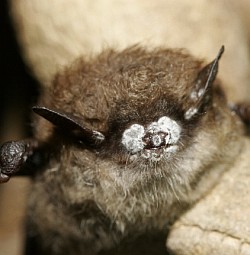
Pipistrelle BatAt a national scale the UK has 18 species of bat, 17 of which are known to breed here. They frequently move roosts, often depending on the time of year.  Research has shown that some species prefer hollow trees, others caves and some use both at different times of the year. Many species roost in buildings, sometimes in roof spaces but more often in gaps in stonework or behind fascias, or under slates or tiles. They roost in both modern and old houses and are most noticeable during the summer active season when they are not hibernating. Continue reading

Posted in Bats | Leave a comment

The Legislation for Great Crested Newts

Great crested newts (GCN) are afforded full protection under the Wildlife & Countryside Act 1981 (as amended) and the Conservation of Habitats and Species Regulation 2010. Continue reading

Posted in Newts | Leave a comment

The Life Cycle and Migration Patterns of Newts

Lifecycle

The breeding season begins immediately after winter dormancy in February or March, depending on temperature, and continues until Mid-June. This is when newts are most likely to be found in ponds, and the period over which most newt surveys are carried out. Females deposit their eggs individually on submerged vegetation and fold the leaf over them to afford a measure of protection against predation and desiccation. GCN eggs are larger and more yellow than those of Smooth and Palmate newts, which tend to be a more off-white colour and slightly smaller.

Continue reading

Posted in Newts | Leave a comment